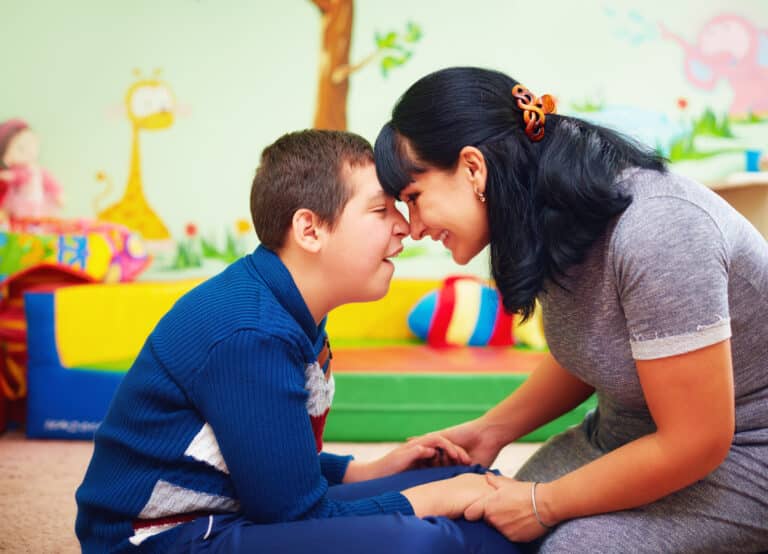
When it comes to helping children and adults with disabilities grow into their full potential, one goal rises above the rest: independence.
Independence doesn’t mean doing everything alone — it means learning the skills, confidence, and structure to do as much as possible your way. And for families, there are so many meaningful ways to nurture that growth at home.
Here’s what every parent should know about building daily independence — one small win at a time.
1. Independence Starts with Trust
Sometimes, our instinct as parents or caregivers is to step in quickly to help. But growth happens when we step back just enough to let our loved ones try, make mistakes, and try again.
Give opportunities for choice and control — whether it’s picking out clothes, deciding what to eat for lunch, or choosing a weekend activity. Those little choices build big confidence.
2. Routine Creates Freedom
It might sound backwards, but routine actually frees people to thrive. Predictable schedules help reduce anxiety, build memory, and reinforce positive habits.
Try using visual schedules, alarms, or labeled bins for daily tasks like getting ready, packing lunches, or bedtime prep. Consistency turns independence into second nature.
3. Start Small and Celebrate Often
Independence is built through repetition, not perfection. Instead of focusing on everything at once, pick one skill at a time — like brushing teeth, folding laundry, or setting the table — and stick with it until it becomes familiar.
Celebrate every success, no matter how small. A high-five, sticker, or “you did it!” moment goes a long way in building momentum.
4. Make Learning Real
Life skills stick best when they’re part of real life. Cooking together teaches math, sequencing, and safety. Grocery shopping builds budgeting and social skills. Even walking the dog helps practice time management and responsibility.
Turn everyday moments into teachable ones — they’re the best classroom there is.
5. Use Supports, Not Shortcuts
Adaptive tools and supports aren’t signs of limitation — they’re bridges to independence. Whether it’s a visual timer, adaptive utensils, or reminders on a phone, the goal is to help each person do more on their own terms.
Encourage the use of tools that foster autonomy rather than doing things for them.
6. Communication Is Key
Encourage your child or adult loved one to express needs, preferences, and frustrations — however they communicate best. That might mean spoken words, gestures, or assistive technology.
When people feel heard and understood, they’re more motivated to keep learning and growing.
7. Model Independence Together
The best way to teach independence? Model it.
Let your loved one see you plan, organize, and solve small problems. Involve them in chores, errands, and routines. Show that everyone — no matter their ability — plays a role in the rhythm of family life.
8. Progress Looks Different for Everyone
Every person’s path to independence is unique. Some skills come quickly; others take time. What matters most is celebrating progress, not comparing timelines.
When growth is measured in confidence, inclusion, and self-worth, every win counts.
Final Thought
Building daily independence isn’t about stepping away — it’s about stepping alongside.
Every small skill learned today creates a stronger, more confident tomorrow. At RiseUP, we believe independence is built together — with trust, patience, and a community that celebrates every step forward.
Rising Together. Thriving Forever.
About RiseUP
RiseUP is at the forefront of advancing inclusion for neurodivergent individuals in Colorado. With a dedicated K–12 school, adult day and residential programs, and supported employment services, RiseUP provides comprehensive support from childhood through adulthood. RiseUP’s mission is to promote dignity and self-worth by building transformational communities where people of all abilities thrive side by side. Together, we RiseUP for inclusion.